Issue #3: Back to School. Back to Purpose. · Archived Issue
Free article
Building Future Beauty Leaders
How mentorship, culture, and intentional education are shaping the professionals the industry needs
By Dr. Constance Santego
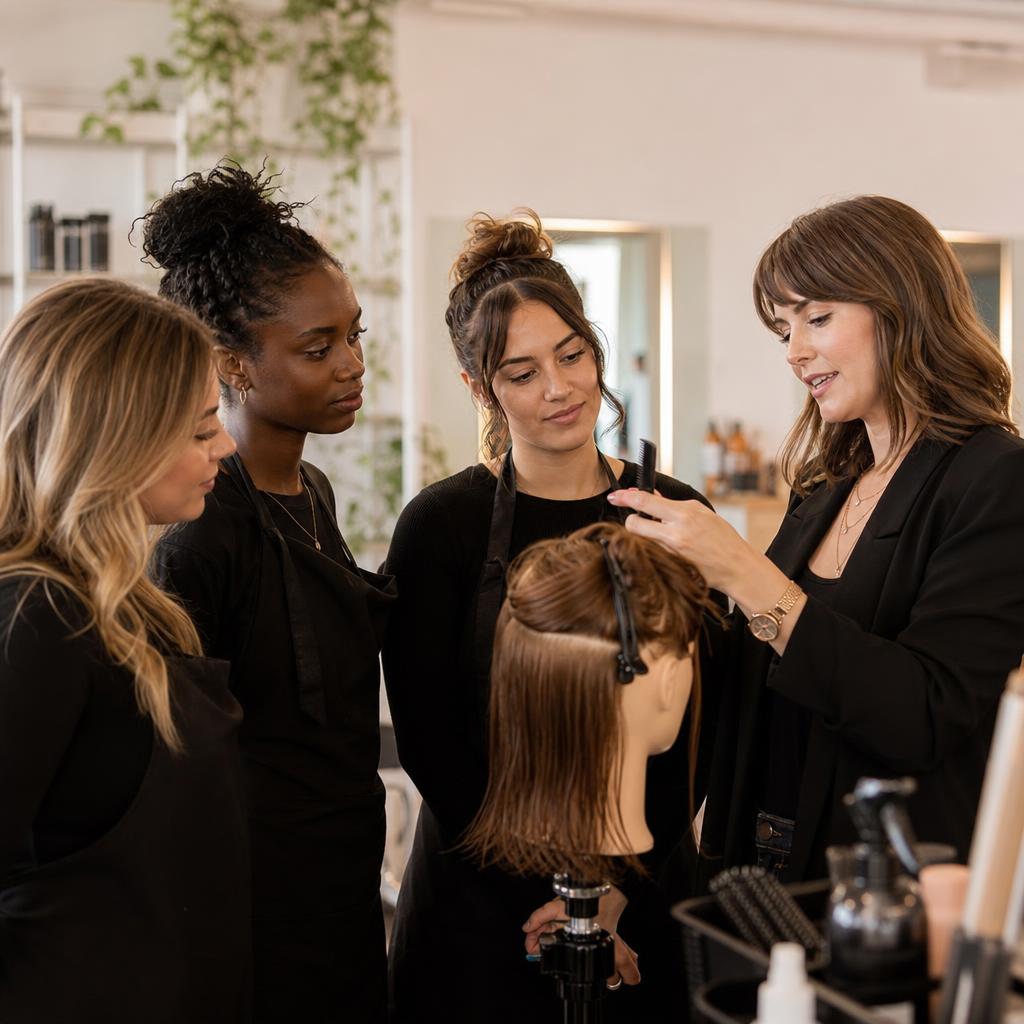
The best beauty educators aren't just teaching technique — they're building professionals who are confident, ethical, and ready to lead. Here's what it really takes to grow the next generation.
A cosmetology license is a beginning, not a destination. The beauty professionals who thrive — the ones who build sustainable clientele, run their own salons, mentor others, and show up with excellence every single day — aren't just technically gifted. They are people who were taught what the license doesn't cover: how to communicate, how to lead, how to handle difficult situations with grace, and how to believe in their own worth.
## More Than Technique
Walk into any successful beauty school and you will notice something that isn't in the state board curriculum: culture. The way instructors address students. The standards they hold. The conversations they have about professionalism, self-presentation, and the kind of careers worth building.
This is intentional. And it is the difference between schools that produce licensed graduates and schools that produce industry leaders.
## The Role of Mentorship
Research in vocational education consistently shows that students who have a meaningful mentoring relationship with an instructor are more likely to complete their programs, pass their licensing exams, and remain in their field long-term. But mentorship in beauty education goes beyond academic support.
Effective beauty mentors:
- **Model professional identity** — how to carry yourself, communicate with clients, and take pride in your work
- **Teach the business of beauty** — pricing, client retention, managing books, building a referral network
- **Name the emotional labor** — because this industry involves intimate physical contact, personal conversations, and emotional presence that no one adequately prepares students for
- **Hold high standards alongside compassion** — because both are necessary
## Culture Is Curriculum
At schools like 24 Karat Beauty Academy, the culture is part of what students graduate with. Founder Alicia Brummet has spoken about creating an environment where students feel valued, challenged, and professionally formed — not just technically trained.
That kind of school culture doesn't happen by accident. It is built through:
**Clear expectations** — communicated from day one and reinforced consistently throughout the program.
**Recognition of the whole student** — acknowledging that cosmetology students are often also parents, workers, caregivers, and people managing real life challenges while pursuing their education.
**Constructive feedback** — given with respect, specificity, and the underlying message that the feedback is an investment in the student's success.
**Celebration of milestones** — because every skill mastered, every client served with confidence, and every exam passed is worth acknowledging.
## What Employers and Clients Are Looking For
Salon owners consistently report that their biggest hiring challenge isn't finding technically competent graduates — it's finding graduates who can:
- Hold a professional conversation with a client
- Handle a complaint or mistake with maturity
- Show up on time, prepared, and invested
- Continue learning after they leave school
These are teachable skills. They just require educators who are willing to teach them — and schools that create space for that kind of formation.
## The Future of Beauty Education
The beauty industry is changing. AI-assisted consultation tools, sustainable product formulations, wellness-integrated services, and increasingly sophisticated clientele are reshaping what professionals need to know. The educators who are building future leaders are the ones paying attention to these shifts and weaving them into their curricula now.
But at the core of all of it is something that technology cannot replace: the human relationship between a skilled mentor and a willing student. That relationship, when it's done well, is transformative.
It is the reason people get into this industry. And it is the reason they stay.
The beauty professionals who thrive aren't just technically gifted — they are people who were taught what the license doesn't cover.
Whether you are a student, an educator, or a school owner, we hope this conversation inspires you to think about the culture you are creating and the leaders you are forming. Share this article with someone in beauty education who is making a difference.