Issue #3: Back to School. Back to Purpose. · Archived Issue
Free article
Five Simple Foods for Steady Energy and Focus
No complicated meal plans — just five practical, affordable foods that support your brain through a long day of learning
By Dr. Constance Santego
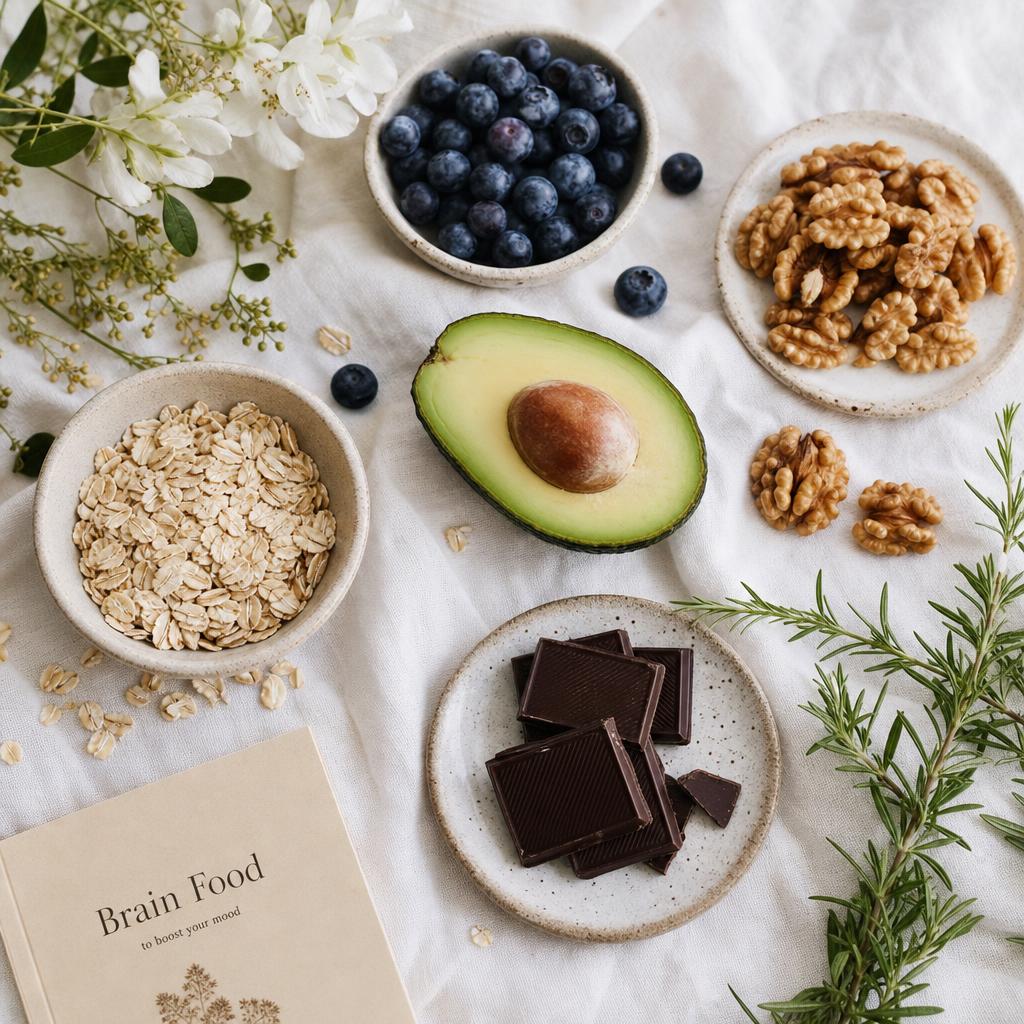
You don't need a nutrition degree to eat for energy and focus. These five foods are affordable, accessible, and well-supported by research — and incorporating even one of them consistently can make a noticeable difference.
When students and professionals in demanding programs start to struggle with energy and focus, nutrition is often one of the first things to go. Meals become irregular. Breakfast gets skipped. The vending machine becomes a genuine food strategy.
Here are five foods that cut through the noise. No supplements required, no specialty grocery store necessary, no complicated preparation.
*⚕️ Note: This article is for general educational purposes only and is not intended as individualized dietary advice. If you have specific health conditions or dietary needs, please consult a registered dietitian or healthcare provider.*
---
## 1. Eggs
Eggs are one of the most nutrient-dense and affordable foods available. They provide:
- **Choline** — a precursor to acetylcholine, a neurotransmitter critical for memory and learning
- **Complete protein** — essential for neurotransmitter synthesis and sustained satiety
- **B vitamins** — including B12, which supports myelin and neurological function
- **Healthy fats** — which support brain membrane integrity
**Practical use:** Hard-boil a batch at the beginning of the week. Eat one or two in the morning before class. Takes three minutes to prepare on any given day.
---
## 2. Oats
Rolled oats (not instant) provide a slow-release carbohydrate that steadies blood glucose throughout the morning. Steady blood glucose = steady focus and mood. The dramatic spikes and crashes that follow high-sugar breakfasts are a significant contributor to mid-morning cognitive slumps.
Oats also contain:
- **Beta-glucan fiber** — supports immune function and gut health
- **B vitamins** — energy metabolism support
- **Magnesium** — involved in over 300 enzymatic reactions including stress regulation
**Practical use:** Overnight oats take 5 minutes to prepare the night before. Add a small amount of protein (yogurt, nut butter, milk) to slow digestion further and sustain energy longer.
---
## 3. Walnuts
Walnuts are among the most brain-supportive nuts due to their high content of:
- **Alpha-linolenic acid (ALA)** — a plant-based omega-3 fatty acid that supports anti-inflammatory pathways in the brain
- **Vitamin E** — an antioxidant that protects neural tissue
- **Polyphenols** — associated with improved cognitive function in research settings
A small handful (about 1 oz / 28g) provides meaningful nutrition without requiring any preparation.
**Practical use:** Keep a small bag in your study bag. Eat a handful before a cognitively demanding task or between meals when energy dips.
---
## 4. Leafy Greens (Especially Spinach and Kale)
Dark leafy greens are consistently associated with slower cognitive decline and better brain function across the research literature. Key contributors:
- **Folate (B9)** — essential for DNA repair and neurotransmitter synthesis
- **Vitamin K** — associated with verbal episodic memory in several population studies
- **Lutein** — accumulates in neural tissue and supports processing speed and memory
- **Nitrates** — support blood flow to the brain
**Practical use:** The easiest way to increase leafy green intake is to add a handful of baby spinach to something you already make. Eggs, smoothies, sandwiches, pasta. You often cannot taste it and it takes five seconds.
---
## 5. Water
This is not a joke entry. Cognitive research consistently demonstrates that even mild dehydration — before subjective thirst is experienced — produces measurable impairments in:
- Short-term memory
- Sustained attention
- Reaction time
- Mood (increased anxiety and fatigue scores)
For a student or professional doing demanding intellectual work, hydration is one of the highest-leverage variables available and also one of the most consistently neglected.
**Practical use:** Carry a water bottle that holds at least 500ml. Refill it twice during a full study or work day. If you wait until you feel thirsty, you are already mildly dehydrated.
---
## The Simplest Possible Implementation
You do not need to overhaul your diet. Pick one of these foods and add it to your week consistently for two weeks. One change, consistently applied, beats five changes tried and abandoned.
That is the principle behind every Elemental Reset: one shift at a time.
You do not need to overhaul your diet. Pick one of these foods and add it to your week consistently for two weeks. One shift at a time is the entire Elemental Reset philosophy.
Share this with a student, a classmate, or anyone in your life who is burning the candle at both ends and forgetting to eat well. Small changes in nutrition create real differences in how we show up.